Capital One says it closed Trump Organization accounts over money-laundering concerns : NPR
Capital One asked a federal judge to dismiss a lawsuit from the Trump Organization over the closure of 385 accounts in 2021. The bank claims the closures were due to a months-long anti-money-laundering review, not political retaliation.
This case highlights ongoing tensions between Trump-aligned entities and major banks, with implications for political influence on financial services.
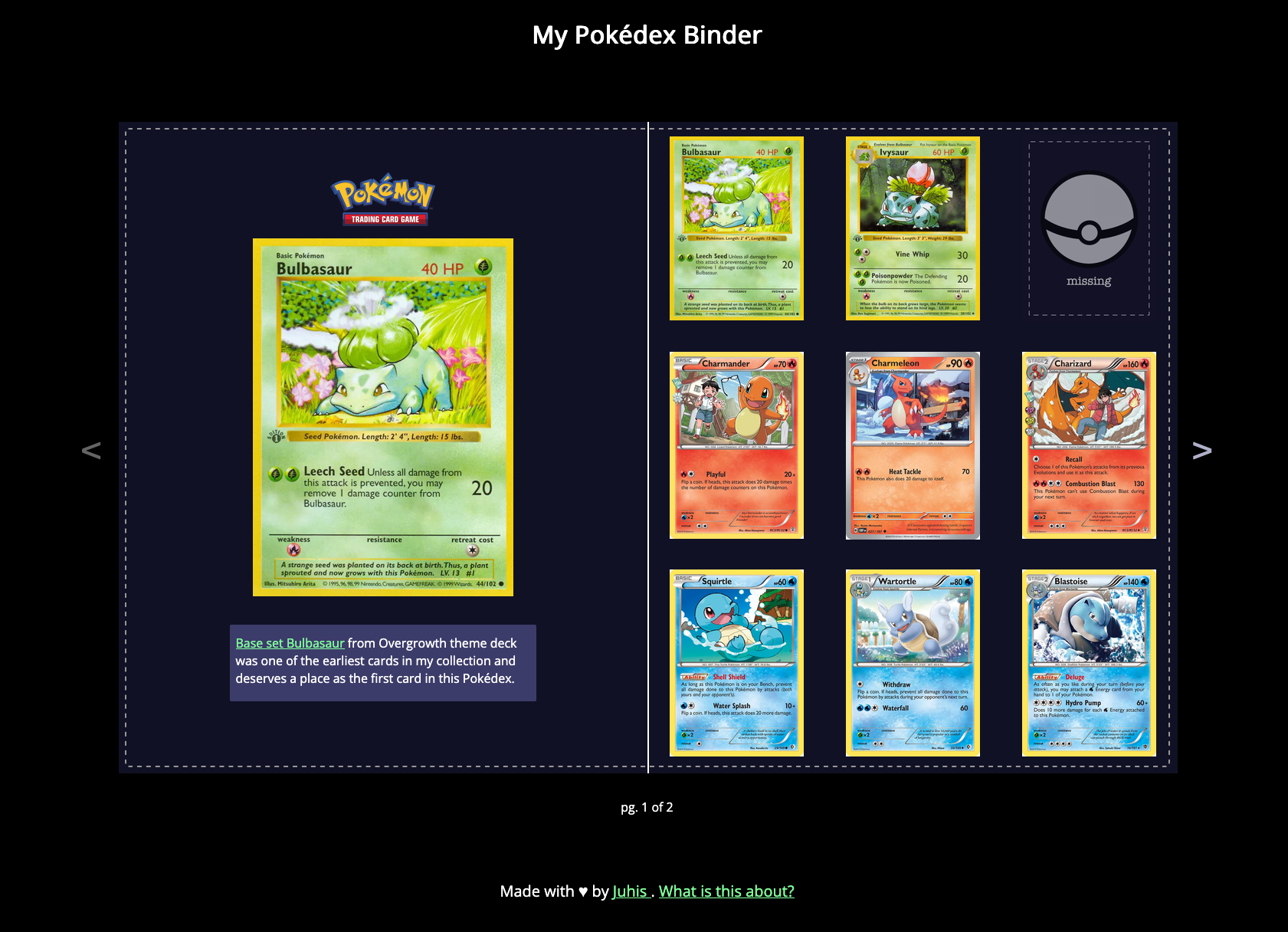
It's not anywhere to browse yet because I need to add at least the first binder (gen 1) of data into it which is an arduous process as I need to go through each card, find image, write metadata and potentially a note.
@BenAveling This is a good explanation of the situation and the rules, in my opinion: https://www.exteriores.gob.es/en/Comunicacion/Exteriores-explica/Paginas/2026_Articulos/Ceuta,-Melilla.aspx
💥 The atomic bomb that destroyed Hiroshima in 1945 also created a brand-new material that scientists have only just discovered.
A grain of metal just 10 micrometers across (one-tenth the width of a human hair) was found inside a glassy droplet of fallout on a beach in Hiroshima Bay. It is an alloy of iron, chromium, nickel, manganese, molybdenum, silicon, and aluminum arranged in a crystal structure never seen before in nature or the lab.
The fireball from the Little Boy bomb reached over 7,000 degrees C, vaporizing buildings, steel, and soil. As the superheated plasma cloud expanded and cooled in seconds, the swirling metal atoms froze into this impossible arrangement. The researchers call the particles physical archives of the explosion.
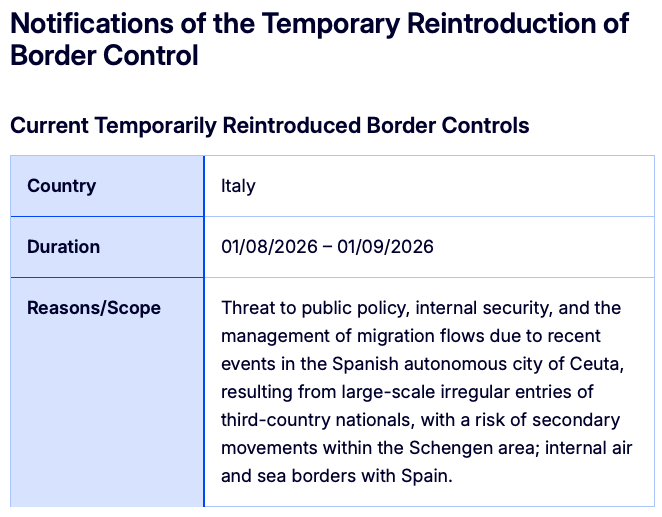
It seems that Italy has a problem with understanding geography and the EU. They have added a new notification for internal border controls at all "internal air and sea borders with Spain" due to what happened in Ceuta, which is an exclave and thus not even part of Schengen. Also: the refugees have mostly left Ceuta, back to Morocco, already by now. But hey, populism is politics nowadays. Le Sigh.
@larma this was proposed a few years ago and, if I remember correctly, Apple had some licensing restrictions which would require one to have Apple hardware to virtualize MacOS. I'm not sure if that's the case. Do you know?
I know of people that have managed to run MacOS in the old-Boxes, so it is technically doable. I just don't know if it is legal.