03.08.2026 17:00
"What do we live for if it is not to make life less difficult for each other?"
Vezi original ↗
03.08.2026 16:59
♻ a distribuit
https://mastodon.com.pl/users/Watchdog_Polska/statuses/117031916108795011
03.08.2026 16:58
♻ a distribuit
https://wandering.shop/users/clacksee/statuses/117027475959695835
03.08.2026 16:57
@larma this was proposed a few years ago and, if I remember correctly, Apple had some licensing restrictions which would require one to have Apple hardware to virtualize MacOS. I'm not sure if that's the case. Do you know?
Vezi original ↗
03.08.2026 16:52
♻ a distribuit
https://toot.cat/users/vivia/statuses/117031456836202241
03.08.2026 16:52
♻ a distribuit
https://toot.cat/users/zeenix/statuses/117031293307151009
Jools
@jools@friendica.de
03.08.2026 16:48
♻ a distribuit
https://wandzeitung.xyz/users/pixelgraphix/statuses/117031845333137636
03.08.2026 16:42
@gary_alderson
Vezi original ↗
03.08.2026 16:41
@gary_alderson
Vezi original ↗
03.08.2026 16:40
@max
Vezi original ↗
03.08.2026 16:39
@nileane Fingers crossed for you 🤞
Vezi original ↗
03.08.2026 16:34
🎶 jcrabapple just liked a song on Last.FM! ♥️
Vezi original ↗
03.08.2026 16:28
"There is something eerie about being both the speaker and the watcher, performing one’s own identity for oneself, rather than simply living it.
Vezi original ↗
03.08.2026 16:21
@nileane The last one that was visible in the UK in 1999, my parents drove us all 4 hours to Cornwall and it was the cloudiest day ever and we didn't see any difference 🤣
Vezi original ↗
03.08.2026 16:19
♻ a distribuit
https://felipeborges.eu/ap/users/115939448181665513/statuses/117031501709515177
03.08.2026 16:09
@sofakante Fixed now.
Vezi original ↗
03.08.2026 16:09
@rstein Fixed now.
Vezi original ↗
Adam
@adamsdesk@fosstodon.org
03.08.2026 16:07
♻ a distribuit
https://social.ngi.eu/users/NGI0_Moldova/statuses/117031639382673194
03.08.2026 16:05
@ombremad I have added a link to your reply to my original toot.
Vezi original ↗
03.08.2026 16:02
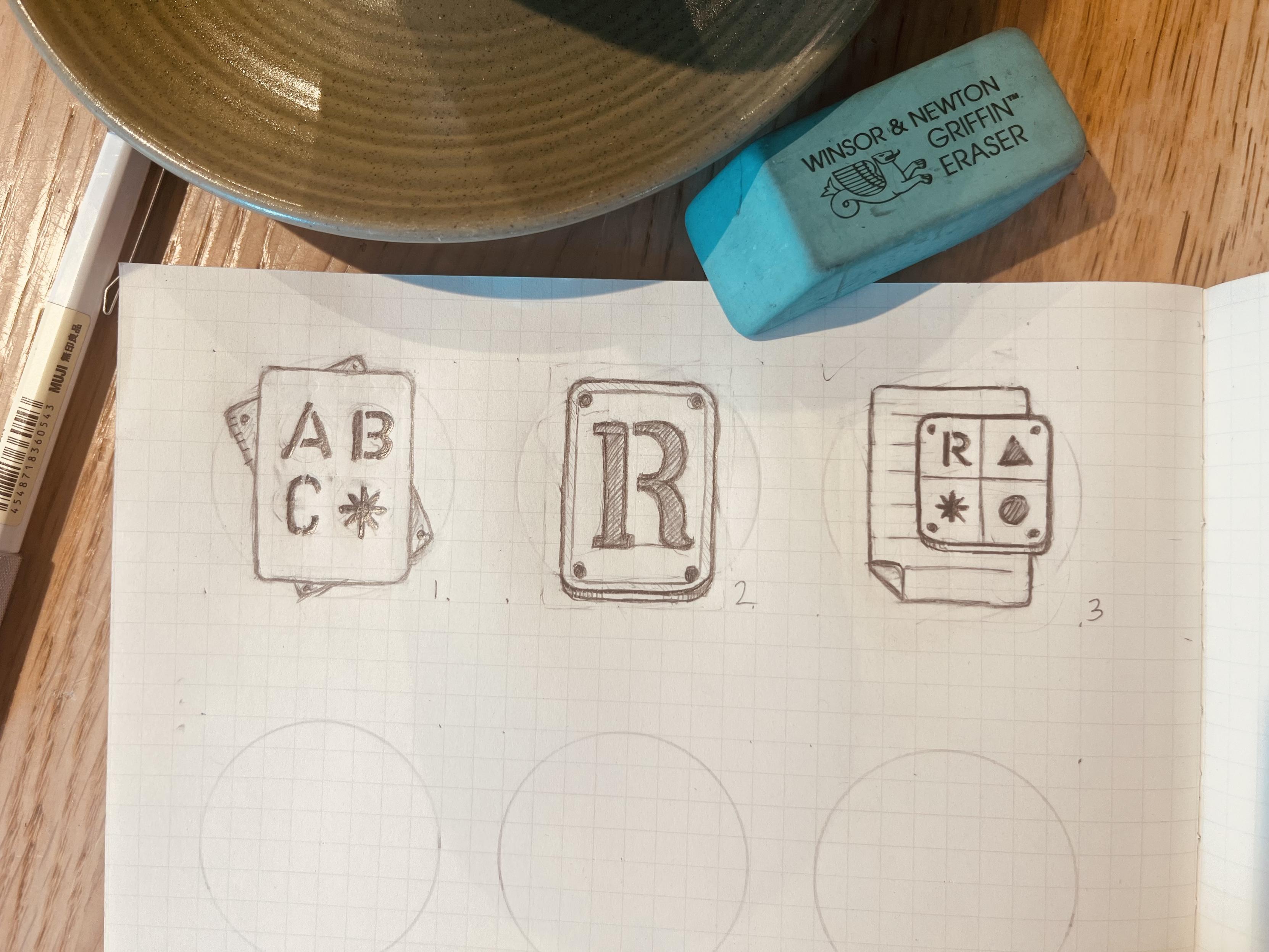
sketches for @renef’s Stencil.
Vezi original ↗